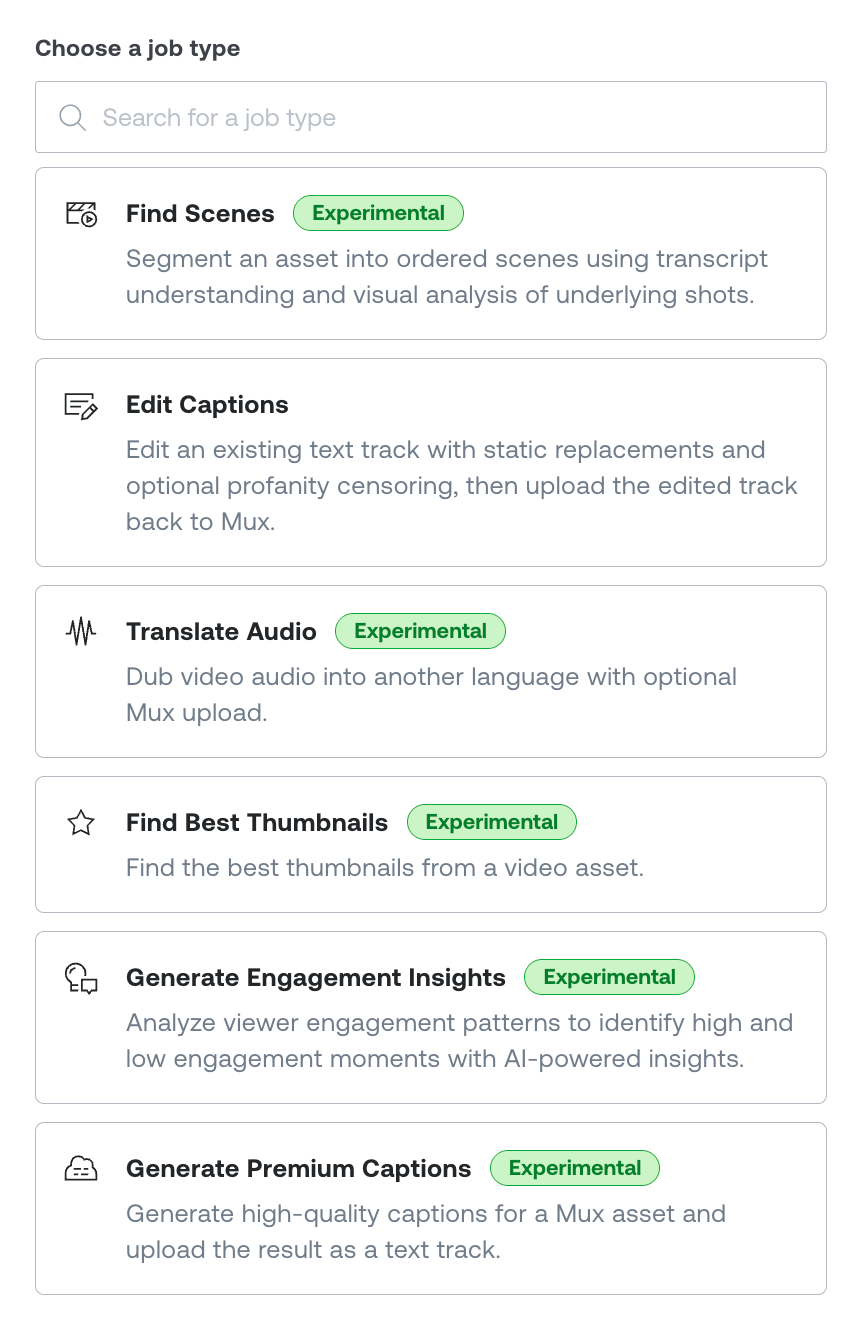
Mux Expands AI Video Capabilities with Six Advanced Robotic Workflows for Content Optimization and Global Reach


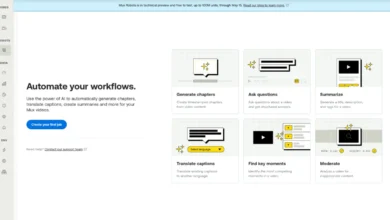
The video infrastructure landscape underwent a significant transformation as Mux, a leading provider of video developer tools, announced the general availability of six new automated workflows within its Mux Robots suite. As of July 22, 2026, the company has transitioned these tools from experimental and support-request-only status to a fully integrated, self-service model accessible via both API and the Mux dashboard. This expansion represents a strategic pivot toward leveraging multimodal artificial intelligence to handle the most labor-intensive aspects of video production, including localization, accessibility, and engagement analytics.
The newly released workflows—Premium Captions, Audio Translation, Engagement Insights, Best Thumbnails, Edit Captions, and Find Scenes—are designed to bridge the gap between raw video data and actionable content. By utilizing a "one API call, structured JSON out" architecture, Mux aims to reduce the technical debt typically associated with integrating disparate AI models into a video pipeline. This release marks a milestone in the company’s mission to democratize sophisticated video engineering, allowing developers of all scales to implement features that were previously reserved for major streaming platforms with massive internal engineering resources.
A New Standard for Accessibility and Accuracy in Captions
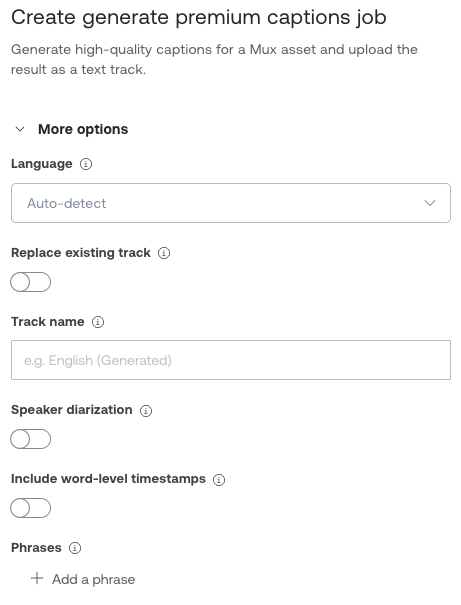
At the forefront of the update is the Generate Premium Captions workflow. While Mux has long offered basic auto-generated captions for free, the new premium tier utilizes advanced, high-accuracy speech-to-text models designed for professional-grade output. This tool addresses the growing demand for accessibility compliance, such as the standards set by the Americans with Disabilities Act (ADA) and the European Accessibility Act, which require high levels of precision in closed captioning.
The Premium Captions workflow introduces several technical enhancements over its predecessor. Developers can now enable speaker diarization, an AI-driven process that identifies and distinguishes between different speakers in a single audio track. This is particularly vital for interviews, panel discussions, and podcasts. Furthermore, the system supports word-level timestamps, allowing for hyper-accurate synchronization between text and video. To handle the nuances of corporate jargon, product names, and unique identifiers, the API allows users to pass specific phrases to the model, significantly reducing the error rate for specialized content.

Breaking Language Barriers with Automated Audio Translation
In an increasingly globalized digital economy, the ability to localize content is no longer a luxury but a necessity for growth. The Translate Audio workflow provides a streamlined solution for dubbing video content into multiple languages. By providing an asset ID and a target language code, the system automatically detects the source language and speaker count, generating a dubbed audio track that is seamlessly integrated back into the original Mux asset.
This workflow is expected to significantly impact educational platforms, international news organizations, and corporate training departments. Traditionally, dubbing required expensive voice talent and manual sound engineering. Mux Robots’ automated approach provides a scalable alternative, offering a temporary download URL for the dubbed audio or immediate integration into the player. This move aligns with industry trends where viewers are increasingly consuming non-native content, provided that high-quality dubbing or subtitling is available.
Transforming Metadata into Actionable Engagement Insights
One of the most innovative additions to the suite is Generate Engagement Insights. This tool bridges the gap between Mux Data—the company’s monitoring arm—and Mux Video. By analyzing heatmaps and hotspots generated by real viewer behavior, the AI converts raw engagement metrics into plain-language summaries.
The system identifies specific moments where viewer attention peaks or wanes, providing an "engagement score" for different segments of the video. For instance, the AI might report that "Viewers are highly engaged during the product demo" or that "Retention drops significantly during the first 15 seconds of the intro." This allows content creators and marketing teams to perform post-mortem analyses of their videos with unprecedented clarity. The requirement for a healthy volume of view data ensures that the insights are statistically significant, providing a data-driven foundation for future content strategy.
Optimized Visual Marketing through AI-Driven Thumbnail Selection
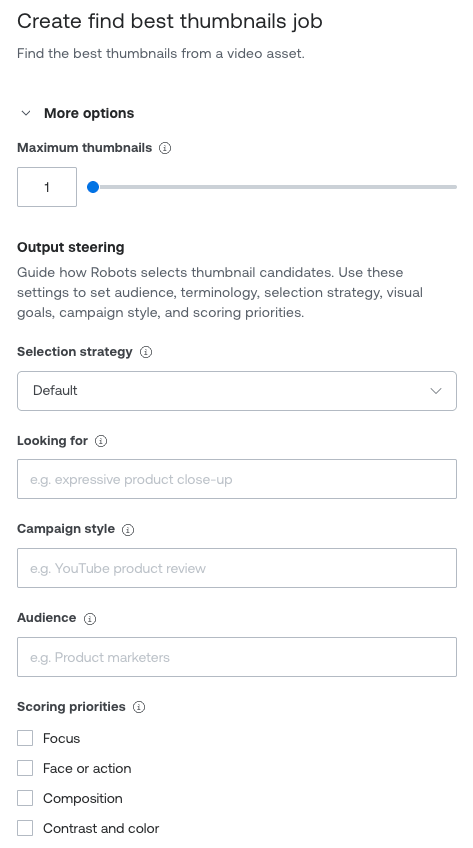
In the crowded attention economy, the thumbnail is often the primary driver of click-through rates (CTR). The Find Best Thumbnails workflow utilizes computer vision models to sample frames across a video and score them based on aesthetic and technical criteria. These criteria include focus, facial recognition, action intensity, composition, contrast, and color balance.
Beyond mere technical quality, the workflow allows for "output steering." Users can define a selection strategy, such as "face_or_action" or "campaign_thumbnail," and even describe their target audience in plain language. The AI then returns the top five candidates with accompanying descriptions. This reduces the time spent by social media managers and editors in manually scrubbing through hours of footage to find a single compelling frame, ensuring that the visual gateway to the video is optimized for the intended demographic.
Precision Editing and Content Moderation
The Edit Captions workflow introduces a dual-layered approach to refining existing text tracks. The first layer is a deterministic find-and-replace function, which is essential for correcting recurring typos or updating brand names across large libraries of content. The second layer is an LLM-assisted profanity censoring tool.
Content moderation has become a critical concern for platforms hosting user-generated content or those operating in regions with strict broadcasting regulations. Mux’s AI allows for various censoring modes—blanking out text, dropping the cue entirely, or masking characters. With "always_censor" and "never_censor" whitelists, developers can maintain granular control over their content’s tone and compliance, automating what was once a tedious manual review process.
Narrative Segmentation and the Experimental "Find Scenes"
Rounding out the new workflows is Find Scenes, a tool that segments video into narrative chapters. It provides titles, transcript cues, and both visual and audible narratives for each segment. While still labeled as experimental, the tool represents the cutting edge of video understanding, moving beyond simple shot detection to semantic scene recognition.
This functionality is particularly useful for AI agents and automated indexing. By breaking a video down into its constituent narrative parts, platforms can offer "chaptering" features similar to those found on high-end streaming services, enhancing the user’s ability to navigate long-form content.
Chronology of Development and Availability
The journey of Mux Robots began as a response to the "plumbing" problems of video engineering.
- Early 2024: Mux introduced the first iteration of Robots, focusing on basic tasks like transcription and summarization.
- Late 2025: The company began private beta testing for the six new workflows, requiring users to contact support for access.
- Q1 2026: Integration of "Directives" allowed for the automation of these workflows upon asset upload.
- July 22, 2026: Full public release and removal of the "request-only" barrier, signaling the maturity of the AI models.
Technical Implementation and Pricing Analysis
Every workflow in the Mux Robots suite follows a standardized asynchronous job pattern. A developer initiates a workflow via a POST request to the Mux API. Once the job is processed, Mux sends a webhook notification containing the results, or the developer can poll the job URL. This consistency is a key selling point, as it allows teams to build a single integration pattern that works across all current and future robotic workflows.
Pricing for these services is calculated based on "units," which factor in the duration of the video asset and the computational complexity of the specific workflow. Premium Captions and Audio Translation, which require significant GPU resources, are priced higher than simpler tasks like caption editing. This usage-based model allows startups to experiment with AI without the heavy upfront costs of licensing proprietary models or maintaining their own inference infrastructure.
Industry Implications and Future Outlook
The expansion of Mux Robots is a clear indicator of the "AI-first" shift in the media industry. Analysts suggest that by 2027, over 70% of video metadata and localization will be handled by automated systems rather than human editors. Mux’s move to make these tools generally available puts pressure on traditional media asset management (MAM) systems to integrate similar AI capabilities.
The implications for the "Creator Economy" are particularly profound. Smaller creators can now produce content that is accessible to the hearing impaired and localized for international audiences with a few clicks, leveling the playing field against large media conglomerates. Furthermore, the ability to generate engagement insights means that even small-scale publishers can optimize their content based on the same data points used by industry giants.
As Mux continues to refine these workflows, the industry expects a move toward even more "generative" capabilities, such as automated highlight reel creation or AI-generated social media shorts derived from long-form video. For now, the July 2026 update provides a robust toolkit for any developer looking to transform video from a static file into a dynamic, data-rich asset. Mux has invited the developer community to provide feedback on the experimental features, signaling that while the tools are now public, the evolution of the "Robot" suite is far from over.